Asphalt Milling & Removal in Lake Havasu City, AZ
Milling is the thankless prep that makes a resurfacing job come out right. Grinding the top course of old asphalt off — rather than simply paving over it — brings surface height back down against curbs and garage slabs, strips away the sun-cooked top layer, resets the slope so monsoon water actually runs off, and leaves the new asphalt a clean face to bond to. Leave it out where it is needed and the overlay ends up sitting too high or gripping poorly, and it fails early under the heat.
Where the job calls for milling, Lake Havasu Asphalt & Paving mills or brings in a milling machine across the Colorado River corridor as part of resurfacing and repair — taking the old surface off cleanly so whatever goes on top sits right and lasts.
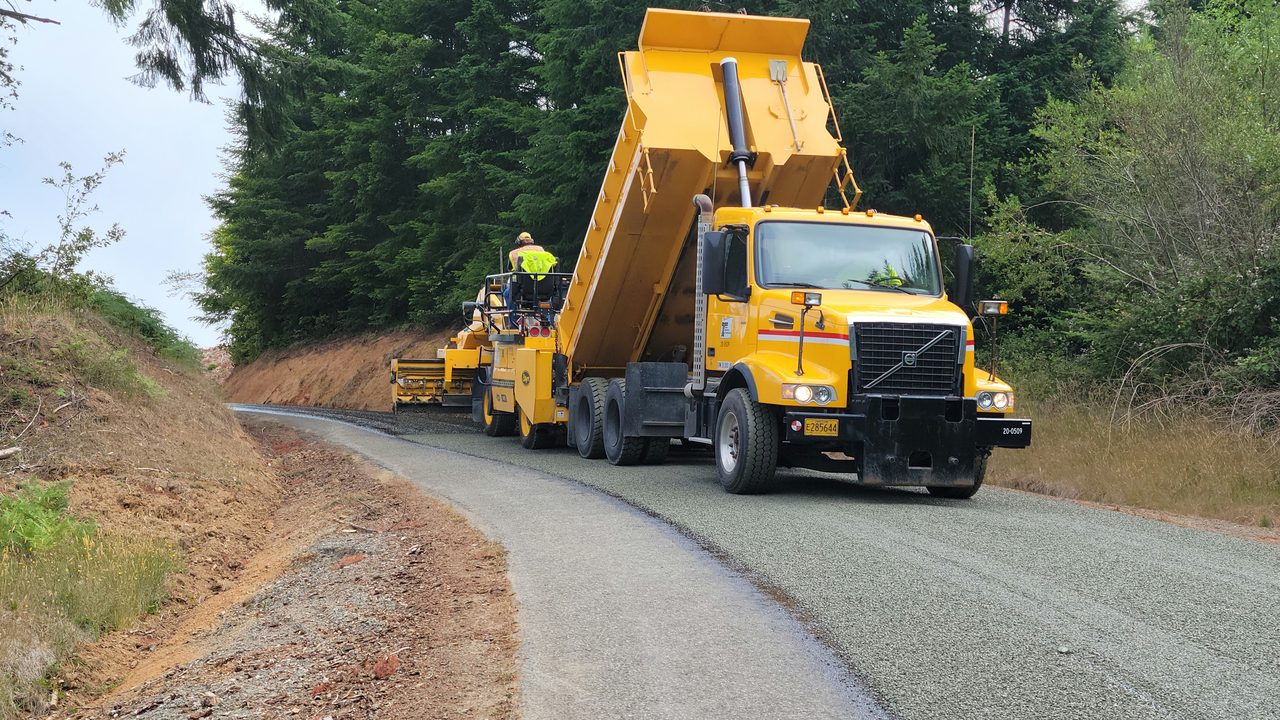
Why not just pave over the old surface
Laying new asphalt over old without milling lifts the surface every single time, and after a round or two the driveway climbs above the garage threshold, the curb vanishes, and water that used to shed now runs the wrong way — a genuine problem when a monsoon drops an inch in an hour. Milling takes the old top course off so the new surface returns at the correct height, the drainage stays intact, and the sun-oxidized old asphalt is gone rather than sealed under the fresh layer. That is what lets a surface be resurfaced again and again over the years.
Correcting height, slope and edges
Milling is a precise process. It can shave a surface down evenly or profile it to pull out a bad slope, put storm drainage back, and cut clean transitions where new asphalt meets curbs, gutters, drains and driveway aprons. That level of control is why milling is routine on commercial resurfacing and turns up more and more on residential jobs — it corrects the geometry, not just the top layer, so the finished surface drains and meets its edges the way it should.
The grindings get recycled
Part of what makes milling economical is that the ground-up material — reclaimed asphalt pavement — is recyclable, going back into new asphalt mixes or serving as base aggregate. It does not just turn into waste, which counts for more out here, where trucking material any distance runs into real money. So milling is both the technically correct prep for an overlay that lasts and a reasonably cheap one, which is why it is worth doing wherever the job asks for it instead of paving over the problem.
Asphalt Milling: common questions
What is asphalt milling?
It’s grinding the top course of existing asphalt off with a milling machine — clearing the sun-damaged surface, correcting height and slope, putting drainage back, and giving new asphalt a clean face to bond to. It’s the prep step that gets a resurfacing job sitting right and lasting, instead of paving straight over the problems.
Do I need milling before resurfacing?
Often, yes — particularly where the surface has climbed too high against garages, curbs or thresholds, where the slope needs resetting so monsoon water clears, or where the bond has to be clean. Not every overlay needs full milling, but leaving it off where it is required strands the new surface too high or poorly bonded. We work out whether your job calls for it.
How much does asphalt milling cost?
Contractors around Havasu usually fold milling into a resurfacing project and price it by the square foot and the depth taken off, and at the going rate it’s a small add that earns itself back in the extra life it gives the overlay. Because the grindings are recyclable, the market cost stays modest. That’s how the work is typically priced in the area, not a set fee we’ve fixed — we build it into your resurfacing estimate wherever the job needs it.
What happens to the old asphalt that’s milled off?
It becomes reclaimed asphalt pavement — recyclable stock that goes back into new mixes or works as base aggregate rather than heading to a dump. That’s a big part of why milling is a sensible, economical prep step instead of a costly one, especially out here where hauling material in and out adds up.